
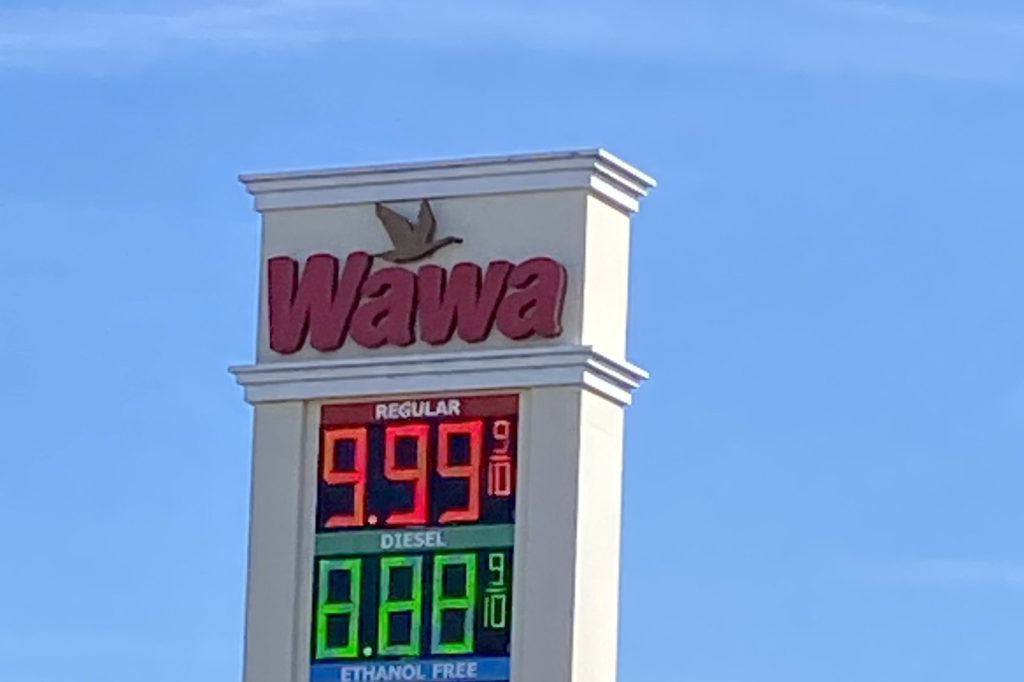
WASHINGTON, July 19 — The Strategic Petroleum Reserve, the nation’s emergency stash of crude oil, is draining faster than it has in decades — and that has implications for the price of gasoline this summer and beyond. Right now the reserve sits at its lowest level since 1983, a fact that energy analysts say leaves the U.S. with less spare crude to cushion against future supply shocks. Gasoline is the primary refined product derived from crude oil, and its retail price is closely tied to crude prices.
When crude oil is released from the SPR, it is refined into gasoline and other products, increasing supply and reducing upward pressure on prices. In 2022, a drawdown of 180 million barrels from the reserve contributed to a decrease in retail gasoline prices from a high of $5.02 per gallon in June 2022 (national average) to around $3.30 by December, according to AAA data.
The federal gasoline tax is 18.4 cents per gallon, while state taxes add another 20-30 cents on average.
How the SPR Affects Your Gas Tank
The current 3-million-barrel drop in the reserve is small compared with total U.S. gasoline demand of about 9 million barrels per day. In plain terms, that single release is barely a rounding error. But the cumulative effect matters more.
Every barrel taken out of the reserve reduces the safety net available for the next crisis. The U.S. gasoline market is also affected by refinery outages, seasonal demand (summer driving season), and ethanol blending requirements.
The Energy Information Administration forecasts that gasoline prices will average $3.50 per gallon in 2024, but this could change with unexpected supply disruptions.
The Numbers Behind the Pump Price
The Department of Energy has used the SPR in emergencies, such as after Hurricane Harvey in 2017 when it released 5 million barrels to alleviate refinery disruptions. The logic is straightforward: when a natural disaster or geopolitical event cuts off supply, the government can step in quickly with crude to keep refineries running and gas flowing to stations. Some analysts argue that a healthy SPR provides psychological reassurance that the government can intervene, which may help prevent panic buying and price spikes.
In other words, just knowing the safety net is there can keep the market calm. But with the SPR at its lowest point since 1983, that reassurance is wearing thin.
The reserve still holds crude, but far less spare capacity to respond to a major disruption. The practical upshot for drivers is that the margin for error has shrunk. A refinery fire, a hurricane, or a geopolitical flare-up could send prices climbing faster than in previous years, simply because the cushion is thinner.
It’s not just about the headline price at the pump, either. The SPR depletion affects the entire oil-supply chain, from crude producers to refiners to wholesalers.
And because gasoline is the primary refined product from crude oil, any stress on crude supply eventually shows up in the retail tank. Looking ahead, the question is how policymakers will manage the reserve going forward. Replenishing the SPR takes time and money, and the current administration has not announced major new purchase plans.
The Energy Information Administration’s $3.50 forecast assumes no major surprises — but as the last few years have shown, surprises are the norm in energy markets. For now, drivers are seeing summer prices that reflect a relatively stable global crude market. But the low SPR is a reminder that stability can be fragile.
The reserve was built for exactly the kind of contingency the U.S. may now be less prepared to handle.




