
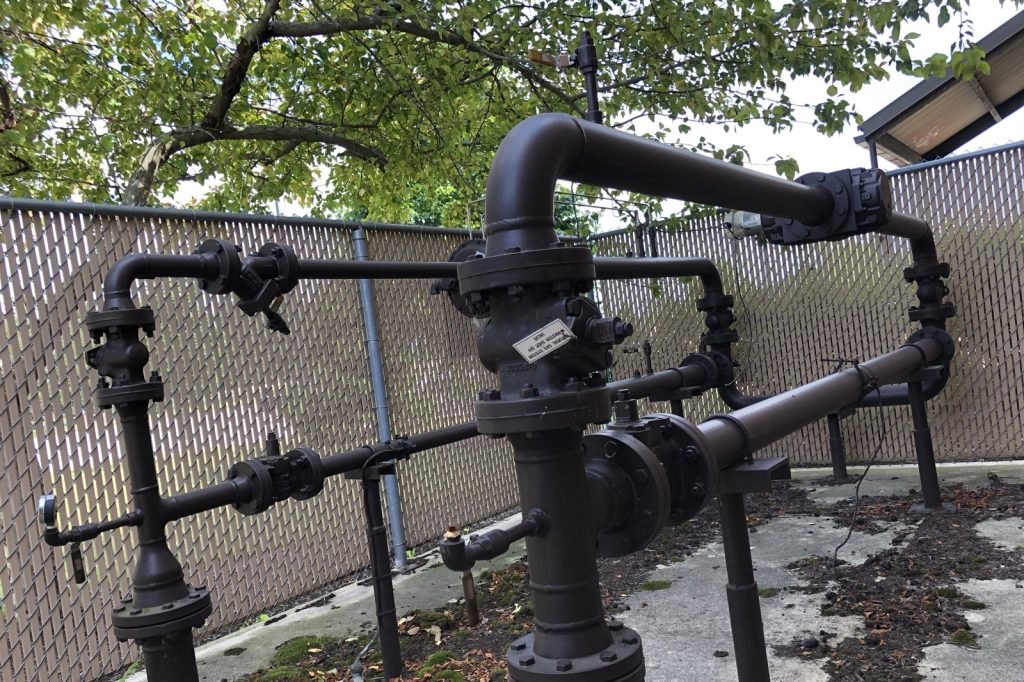
On July 30, 2025, Turkey announced a plan to deliver natural gas to Syria using the Arab Gas Pipeline, a step that could significantly boost Syrian electricity generation as the nation works to rebuild its war‑torn infrastructure. Financial backing for the initiative comes from Qatar, highlighting a cooperative approach among regional actors to meet Syria’s pressing energy requirements.
The Arab Gas Pipeline, operational since 2003 and expanded several times to raise its capacity, will serve as the main route for the Turkish gas supply. By tapping into this existing network, Turkey is emphasizing the role that shared infrastructure can play in enhancing energy security across the Middle East. For Syria, a reliable flow of electricity is essential to revive industry, power homes and sustain critical services.
The Turkish contribution is particularly notable given Turkey’s strategic position between Europe and Asia and its growing energy sector. Economic hubs such as Ankara and Istanbul stand to benefit from the project, which may also generate positive spill‑over effects for Turkey’s own economy.
Qatar’s involvement adds considerable financial weight to the venture, helping to ensure its feasibility and long‑term success. The partnership underscores how major regional energy players are aligning interests to address common challenges. Geopolitically, the agreement reflects a nuanced web of relationships in a region still shaped by the Syrian conflict.
By supplying gas to Damascus with Qatari financing, Turkey signals a willingness to cooperate on energy matters despite broader regional tensions. This collaboration could influence stability, as neighboring states observe the emerging pattern of joint initiatives.
The United States, which maintains its own strategic priorities in the Middle East, has repeatedly called for regional cooperation and diplomatic solutions to shared problems. As the project advances, U.S. officials are likely to monitor how Turkey, Qatar and Syria coordinate, and to assess the broader implications for regional security. Iran’s potential reaction is also being watched. Accusations of destabilising activity by Tehran have drawn international concern, and any attempt to undermine the gas supply scheme could attract criticism from the United States and its allies, who are focused on fostering a more stable Middle East.
Success will hinge on the ability of the three main participants—Turkey, Qatar and Syria—to manage technical and logistical hurdles while maintaining effective collaboration. International observers, including Western governments, will keep a close eye on the project’s progress, recognizing its capacity to serve as a model for future cooperative energy endeavors in the region.
As the initiative moves forward, its impact on regional energy markets, economic recovery in Syria, and broader geopolitical dynamics will be closely tracked. InfoPulse Today will continue to provide updates and analysis on how this Turkish‑Qatari‑Syrian partnership unfolds and what it means for the Middle East’s path toward stability and development.




