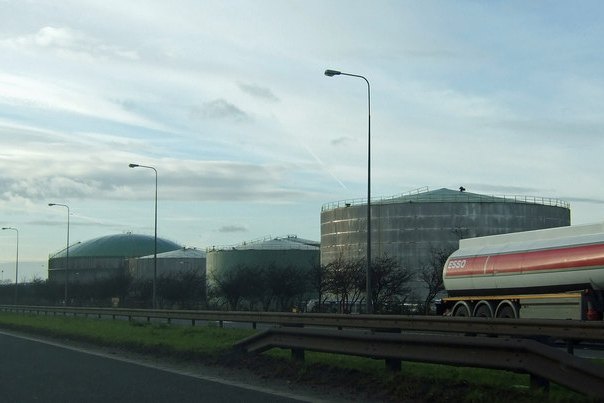
STAVROPOL, July 13 — A Ukrainian drone strike on a key oil depot in Stavropol Krai on March 15, 2025, disrupted fuel supplies to Russian military units operating in southern Ukraine, according to officials. The depot is part of the Transneft pipeline system, which transports crude oil to export terminals and refineries. The facility supplies fuel to Russian military units operating in southern Ukraine, including the 58th Combined Arms Army.
The attack targeted infrastructure that feeds Russian forces on the Kherson and Zaporizhzhia fronts. Officials confirmed that disruption to this depot could affect fuel supplies for those operations.
The strike came amid a broader campaign by Ukrainian forces to target Russian energy infrastructure used to support military logistics.
Strategic Context of the Strike
Stavropol Krai is a key oil-producing region in Russia, with an estimated 2.5 billion barrels of recoverable oil reserves. The region produces about 200,000 barrels per day, accounting for roughly 2% of Russia’s total output of 10.5 million barrels per day in 2024. The oil depot struck is part of the Transneft pipeline system, which transports crude oil to export terminals and refineries.
The region also hosts the Stavropol Gas Processing Plant, which processes natural gas for domestic use. While the gas plant was not directly targeted in the March strike, its presence underscores the region’s broader role in Russia’s energy infrastructure.
Russia’s oil exports generated $150 billion in 2023, funding its military operations. The strike on the Stavropol depot represents a direct attempt to reduce the revenue stream that sustains the Kremlin’s war effort.
Operational Impact
Disruption to this depot could affect fuel supplies for Russian forces in the Kherson and Zaporizhzhia fronts. The 58th Combined Arms Army, which draws fuel from this facility, has been engaged in sustained combat operations in southern Ukraine. The March 15 strike was not an isolated incident.
Ukrainian forces have systematically targeted Russian fuel depots, ammunition storage sites, and logistics hubs throughout the conflict. Russian air defense systems in Stavropol Krai have been reinforced since the attack, according to regional officials.
Broader Resource Picture
The Stavropol depot is one node in a vast energy network that underpins Russia’s military capacity. With 2.5 billion barrels of recoverable oil reserves, Stavropol Krai represents a significant portion of Russia’s hydrocarbon wealth. The region’s daily production of 200,000 barrels feeds into the Transneft system, which moves crude oil to both domestic refineries and export terminals on the Black Sea and Baltic coasts.
Russia’s total oil output of 10.5 million barrels per day in 2024 made it one of the world’s top three producers. The $150 billion in export revenue generated in 2023 provided the financial foundation for military operations.
The Stavropol Gas Processing Plant, which processes natural gas for domestic use, represents a separate but related strategic asset.
What to Watch
The extent of damage to the Stavropol depot and the timeline for full repair remain unclear. Russian officials have not released detailed assessments of the strike’s impact on fuel throughput.