
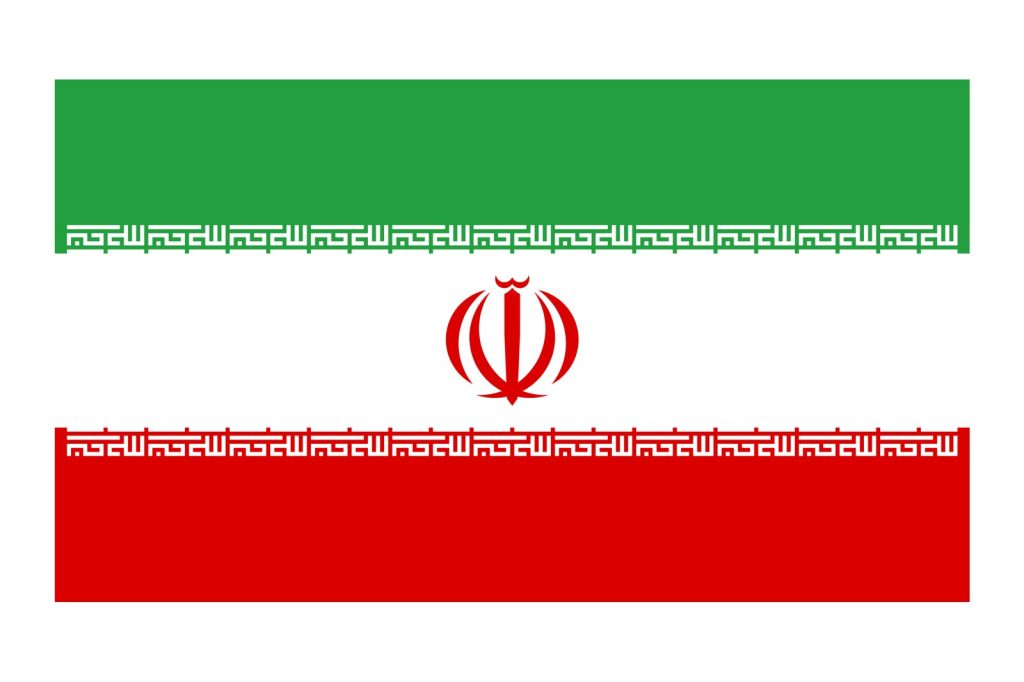
WASHINGTON, July 7 — A fresh wave of instability is rolling through global energy markets, and it all traces back to a narrow stretch of water you’ve probably seen on a map but never thought much about. The Strait of Hormuz, a chokepoint between the Persian Gulf and the Gulf of Oman, is where roughly one in every five barrels of the world’s petroleum moves on any given day. Think of it like a single highway on-ramp that a fifth of the planet’s oil supply has to use.
When that on-ramp gets blocked, everyone feels it. According to the U.S. Energy Information Administration, about 20% of the world’s petroleum passes through the strait daily.
Back in 2023, that worked out to approximately 17 million barrels of oil per day. The numbers alone explain why the U.S. confirmation on April 13, 2025, that Iranian attacks had resumed sent a jolt through the market. Brent crude, the global benchmark, has already risen above $90 a barrel.
So what does this mean for the average person? In plain terms, higher oil prices tend to mean higher prices at the pump, and that ripple effect spreads fast — into shipping costs, heating bills, and the price of just about anything that gets trucked to a store.
The practical upshot is that this isn’t just a story for traders in London or New York. It’s a story for anyone who drives a car or buys groceries.
Who relies on the strait — and why alternatives are limited
The major oil producers that depend on the Strait of Hormuz for their exports read like a who’s who of OPEC heavyweights: Saudi Arabia, Iraq, and the United Arab Emirates. For these countries, the strait isn’t just a convenient route; it’s effectively the only game in town for getting their crude to global customers. There are alternative routes, like Saudi Arabia’s East-West Pipeline, but those have limited capacity.
That pipeline can move some oil to the Red Sea, bypassing Hormuz, but it can’t come close to replacing the volume that flows through the strait. The attacks are already doing more than just nudging prices upward.
They threaten to increase shipping insurance costs — a line item that gets passed straight down the supply chain — and delay deliveries. When tankers have to wait, or when insurers charge a premium for sailing through a conflict zone, the entire logistics chain gets gummed up.
What could come next
This is where the policy world starts paying close attention. The International Energy Agency, or IEA, may consider releasing strategic petroleum reserves to stabilize markets. That’s the emergency stockpile that countries keep for exactly this kind of situation — a sudden supply disruption that threatens to spiral into a broader economic problem.
It’s not a done deal, but it’s a tool that’s very much on the table. For now, the key question is whether the attacks escalate or de-escalate.
The U.S. confirmation of the resumption of Iranian attacks has already reset the baseline for risk. Every day the strait remains a flashpoint, the pressure on prices — and on the global economic recovery — builds a little more. Watch for moves from the IEA and for any signs of diplomatic off-ramps.
In the meantime, the math is straightforward: when 20% of the world’s oil supply passes through a single narrow channel, that channel becomes the center of gravity for the entire energy market.




