
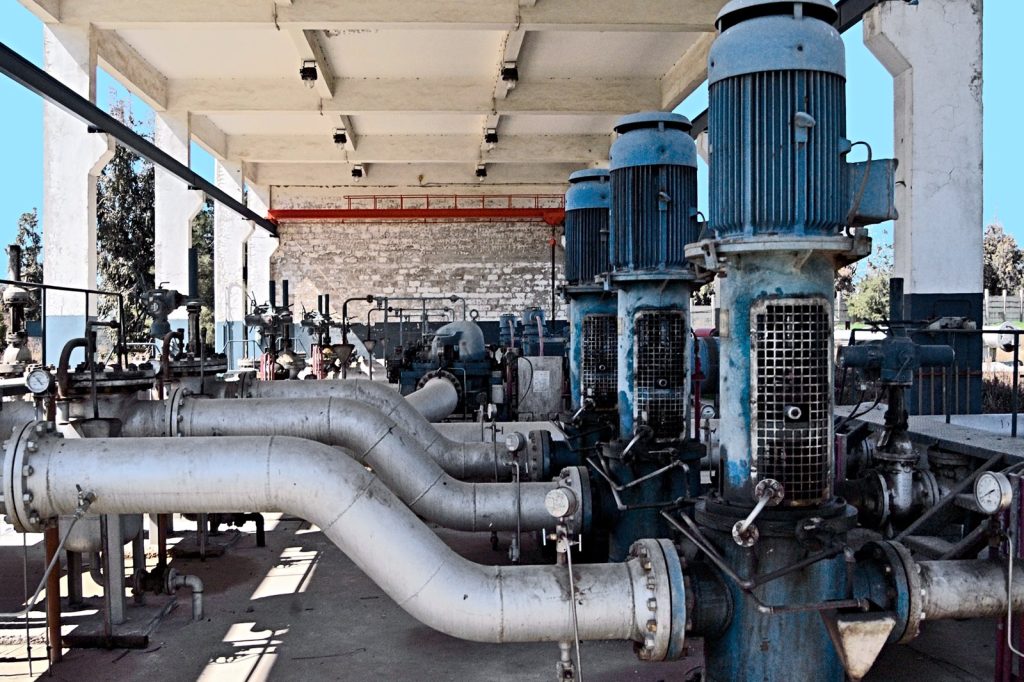
Revenue Drop and Budget Pressure
Russia’s oil export revenue fell to $15.3 billion in March 2024, down from $18.5 billion in the same month a year earlier, according to IEA figures. The decline reflects both reduced export volumes and constrained pricing, as Russian crude continues to trade at a discount to global benchmarks like Brent. The resulting pressure on state finances is measurable: the first-quarter budget shortfall of $30 billion adds to the strain on Moscow’s ability to fund military operations and other expenditures.
One specific incident that contributed to ongoing supply risks occurred on April 27, 2024, when a Ukrainian strike hit the Stavropol Krai oil depot. The attack could further reduce Russian fuel supplies, both for domestic use and for export.
Ukrainian strikes on Russian oil infrastructure have become a recurring feature of the conflict, targeting storage depots, refineries, and transport links. These operations serve a dual purpose: they disrupt fuel supplies for Russian military logistics while simultaneously eroding the country’s export earnings.
Sanctions and the Price Cap
The United States and the European Union have imposed a range of sanctions on Russian oil, including a price cap of $60 per barrel that took effect in December 2022. The mechanism is designed to limit Kremlin revenue while allowing continued shipments to global customers in order to prevent shortages. According to the data, the cap has constrained profits from crude exports, and when combined with lower volumes, it has reduced the overall revenue stream.
Europe’s embargo on seaborne Russian crude, enacted after the invasion of Ukraine in 2022, forced Russia to redirect most of its export flows eastward to buyers in China, India, and Turkey. The combination of these economic pressures—the price cap, the embargo, and the infrastructure damage from Ukrainian strikes—presents a significant challenge for Russia’s energy strategy.
The oil sector has long been the cornerstone of the country’s economy, with modern origins dating back to the late 19th century and later Soviet-era state control that made oil a strategic asset during the Cold War. After the Soviet collapse, privatization created major vertically integrated companies such as Rosneft and Lukoil, which expanded drilling, pipelines, and refining. Russia became one of the world’s top exporters, supplying Europe and Asia with crude and refined products via an extensive network that includes the Druzhba pipeline—the world’s longest export pipeline—and terminals from the Baltic to the Pacific.
Energy as a Battlefield Asset
The targeting of oil infrastructure reflects a broader pattern in which energy assets have become direct military objectives. Ukrainian strikes aim to degrade Russian military logistics by disrupting fuel supplies while also affecting revenue from exports. Market participants will watch for any escalation that could take more Russian refining or storage capacity offline, further tightening global supplies and influencing oil prices. The trajectory of prices will depend on several factors: the frequency and effectiveness of further strikes, enforcement and potential adjustment of the $60 price cap, and global
Sources
- Russian Oil Tracker – March 2026: Export volumes and revenues…
- Financing the War with Ukraine: Russia's Oil Export Revenues…




