
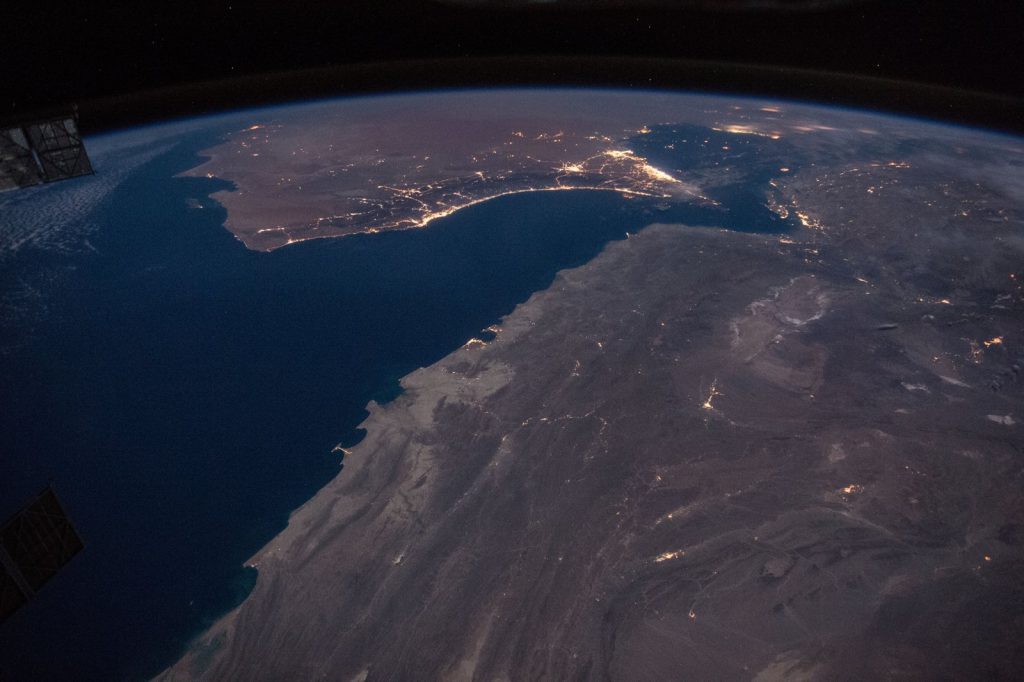
A Strategic Chokepoint Under Pressure
The Strait of Hormuz—a narrow maritime passage bordered by Iran, the Persian Gulf, and the Gulf of Oman—has become a strategic focal point as military operations by the United States, Israel, and Iran disrupt the flow of crude oil and other goods. The near-standstill in this waterway, which historically carries a significant share of the world’s seaborne petroleum, has directly driven oil-price spikes and supply-chain bottlenecks. Iran, a West Asian country that was historically known as Persia, sits astride these key routes, a geographic reality that has long shaped its relations with outside powers.
Iran’s modern history provides context for the current tensions. The territory was first unified under the Medes in the 7th century BC and later formed the core of the Achaemenid Empire under Cyrus the Great. Over centuries it passed through successive Iranian and foreign ruling dynasties, including the Parthians, Sasanians, and Safavids—who made Twelver Shia Islam the official faith—and eventually the Pahlavi monarchy. The 1979 Iranian Revolution overthrew the monarchy and established the Islamic Republic, fundamentally reshaping the country’s relationships with Western governments. Earlier, in the 1950s, a foreign-backed coup had removed a government that sought to nationalize the oil sector, setting a precedent for later friction over energy and sovereignty. That long record of confrontation and negotiation helps explain why military operations involving Iran, and any near-standstill in the Strait of Hormuz, can disrupt supply chains and send energy prices upward across the globe.
Political Uncertainty and Defense Spending
Europe, for now, appears steadier, but the prospect of political change at elections over the next few years could upend the continent’s hard-won consensus on defense spending. Among the NATO heavyweights—France, Germany, and the United Kingdom—any shift in domestic leadership could alter commitments to military budgets. Such a change, analysts caution, could tip the scales in Russia’s favor even as President Vladimir Putin tightens his personal security to counter deepening Ukrainian attacks. The unpredictability of the second Trump administration has already sent economic ripples across much of the world, both through tariffs and through the supply-chain disruption and oil-price spikes triggered by the American and Israeli conflict with Iran. These factors together create a complex backdrop for investors who are weighing defense-sector allocations.
Investing in an Era of Structural Volatility
What is at stake for investors is a wider picture: a world in which supply-chain disruption and energy-price shocks become structural features rather than temporary disruptions. In the corridors of finance, the central question is whether the current volatility represents a moment to be weathered or a permanent recalibration of risk. The aerospace and defense sector, which is particularly sensitive to geopolitical shocks, has seen this dynamic sharpen in 2026. The combination of Middle East instability, the ongoing Russia-Ukraine war, and the potential for political realignments in Europe has made long-term planning more difficult—but also potentially more rewarding for those who can correctly anticipate the next shift. As the Strait of Hormuz remains a chokepoint and energy markets react to every new development, investors are being forced to decide whether to hedge against continued disruption or position for a return to stability. The answer may determine the shape of portfolio returns for years to come.
Sources
- Google News – Iran on Hormuz Strait – Overview
- Iran war: What is the Strait of Hormuz and why does it matter?




