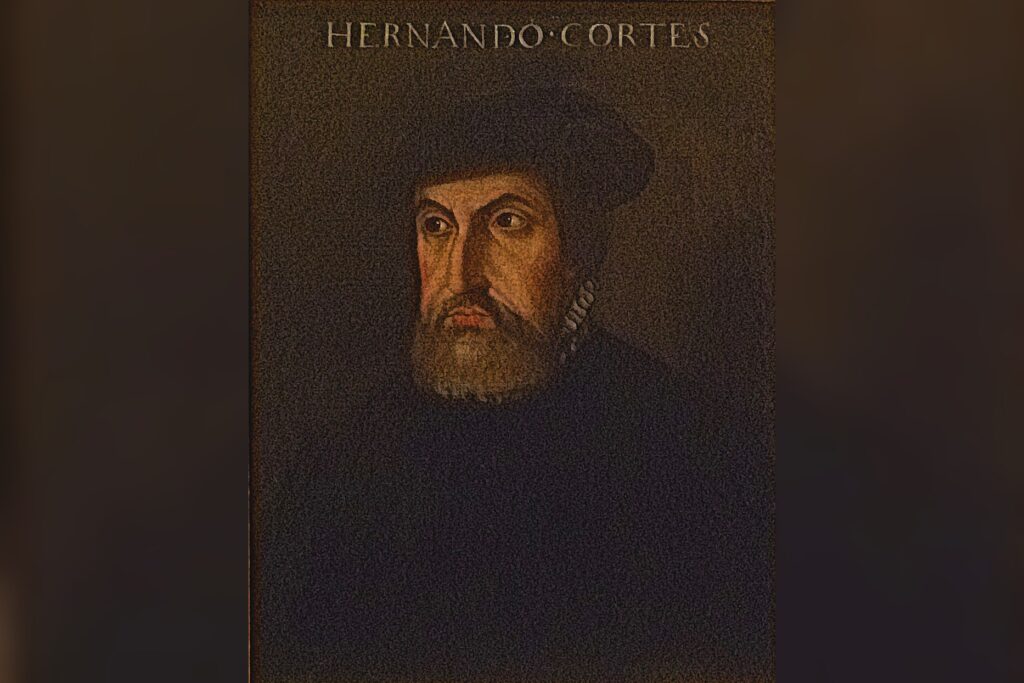
MEXICO CITY, July 13 — Against this backdrop of a city built atop the ruins of an empire, the figure of Hernán Cortés remains one of the most divisive in the Western Hemisphere, a conquistador whose 16th-century campaign reshaped the continent and whose legacy sparks debate five centuries later. Cortés, born in 1485 in Medellín, Spain, arrived in the Americas in 1504. In 1519, he departed Cuba with approximately 600 men, 16 horses, and 11 ships, landing at what is now Veracruz.
It was the beginning of an expedition that caused the fall of the Aztec Empire. The conquistador entered Tenochtitlan — modern-day Mexico City — on November 8, 1519, and took Emperor Moctezuma II hostage.
What is at stake in any assessment of Cortés is not merely the fate of one man but the wider picture of colonial violence and cultural destruction that followed. The Spanish presence in the Aztec capital turned bloody. After a Spanish massacre during a festival, the Aztecs rebelled.
Moctezuma was killed on June 29, 1520. Cortés fled during the Noche Triste — the Night of Sorrows — on June 30 to July 1, 1520, losing many of his men in the retreat.
Alliances and Siege
Cortés regrouped with indigenous allies, notably the Tlaxcalans, who had been enemies of the Aztecs. With their support, he laid siege to Tenochtitlan from May to August 13, 1521, when the city finally fell. The conquest led to the establishment of New Spain and the Spanish colonization of Mexico.
Cortés later explored Baja California and returned to Spain, where he died on December 2, 1547. In the corridors of historical scholarship, Cortés’s actions remain deeply controversial.
Debates over his legacy focus on the violence of the conquest and the destruction of indigenous cultures — a reckoning that continues to shape Mexico’s national identity and its relationship with Spain.
The Wider Picture
For European observers, Cortés represents the archetype of the conquistador: ambitious, ruthless, and historically consequential. For many in the Americas, he is the symbol of a colonial catastrophe that extinguished civilizations and imposed a foreign order by force. What to watch next: As Mexico and Spain navigate their complex shared history, the figure of Cortés will likely remain a flashpoint — a reminder that the conquest of the Aztec Empire was not a single event but the beginning of a transformation whose consequences are still being weighed.