
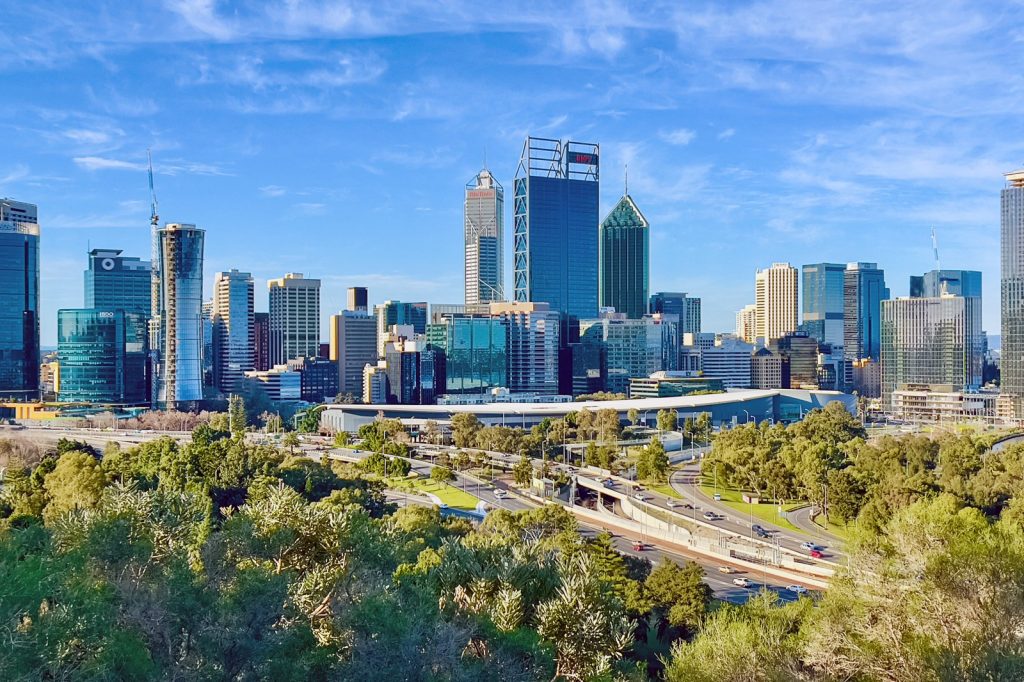
PERTH, July 14 — The story of Lynas Rare Earths begins deep in the red dirt of Western Australia, at a deposit called Mount Weld. It is a story about what it takes to break a near-total Chinese grip on the elements that power electric vehicles, wind turbines, and guided missiles. For the company, its workers in Australia, and the communities near its processing plant in Malaysia, the stakes could not be higher.
Mount Weld began production in 2013 and is considered one of the highest-grade rare earth deposits on the planet, with an average grade of 15% rare earth oxides. From this single mine, Lynas has grown into the world’s largest non-Chinese producer of rare earths.
Based in Perth, the company produced 18,000 metric tons of rare earth oxides in its fiscal year ending June 30, 2023, according to company reports. That production is not just a matter of corporate success. For Western nations seeking to secure supply chains for the magnets used in everything from fighter jets to the motors of electric cars, what Lynas does matters.
The company’s revenue reached $1.2 billion in fiscal 2023, driven by demand for neodymium and praseodymium — known as NdPr — the key ingredients in high-strength permanent magnets.
Two continents, two processing plants, one strategy
Lynas operates a processing plant in Kuantan, Malaysia, which has been a flashpoint for controversy since it opened in 2012. Local protests over the handling of radioactive waste have been persistent. The Malaysian government renewed Lynas’s operating license in 2023, but only until March 2026, and with conditions that include the construction of a permanent disposal facility for low-level radioactive waste.
For those involved on both sides of the debate, the clock is ticking. Meanwhile, the company is building new capacity on two other continents.
In 2021, the U.S. Department of Defense awarded Lynas a $258 million contract to build a rare earth separation facility in Seadrift, Texas. That facility is expected to begin operations in 2025. And in 2022, the Australian government granted Lynas $120 million to build a processing plant in Kalgoorlie, Western Australia.
Construction began in 2023, with operations also expected to start in 2025. At the heart of this expansion is CEO Amanda Lacaze, who has led the company since 2014.
Under her leadership, Lynas has moved from a single-site operator to a company with a market capitalization of approximately $6 billion as of 2024, listed on the Australian Securities Exchange under the ticker ASX: LYC.
What to watch next
The next chapter for Lynas will unfold in Texas and Kalgoorlie. If both plants begin operations as expected in 2025, the company will have processing capacity in three countries. For the people of Kuantan, the key question remains whether the permanent waste disposal facility demanded by the Malaysian government will be built in time for the March 2026 license renewal.
For the defense and energy sectors in the United States and Australia, the hope is that Lynas can deliver on its promise of a secure, non-Chinese supply of the rare earths the modern world depends on.




